DATA CENTER INFRASTRUCTURE

Understand the systems. Operate the whole.

We look at the equipment, interfaces and operating information behind reliable facility performance.

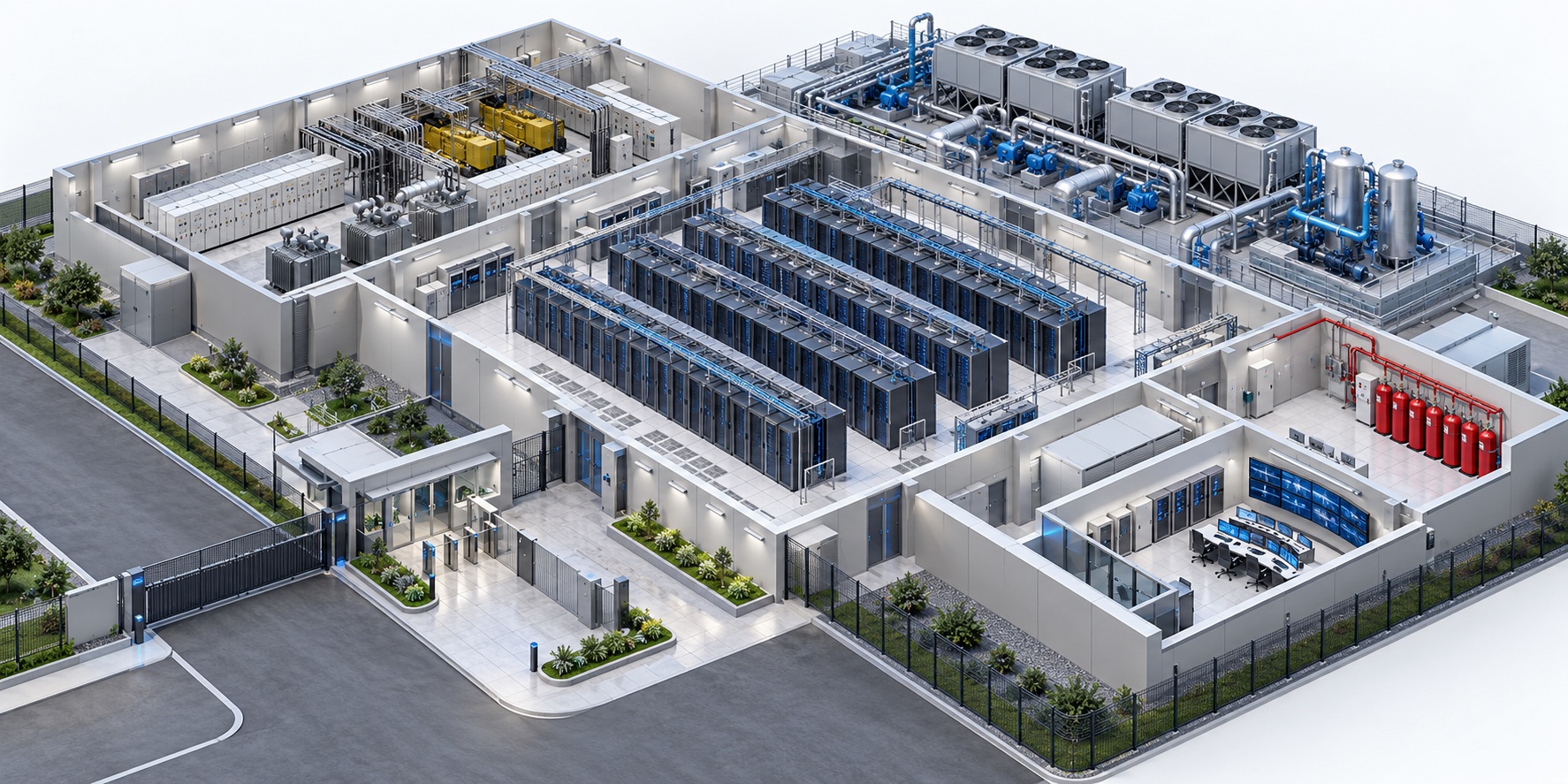
Illustrative cutaway of a data center
THE FIVE SYSTEMS

The anatomy of a critical facility

Each system has its own assets and risks; operations connect them.

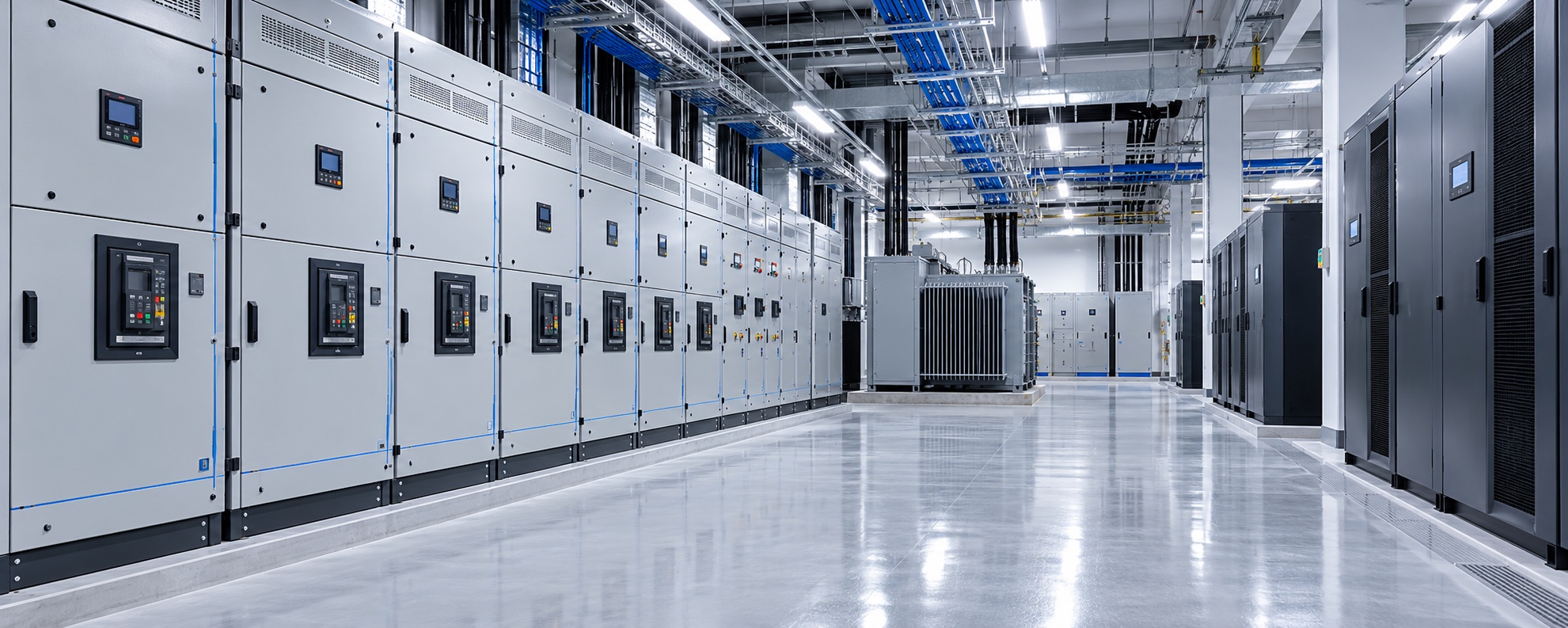
Illustrative electrical distribution room
01 / 05

Electrical Power

Incoming supply, backup generation and distribution to the IT load.

Typical assets
MV/LV switchgear · transformers · UPS · generators · PDUs
Operational focus
Transfer logic, battery condition, breaker health and capacity margins.
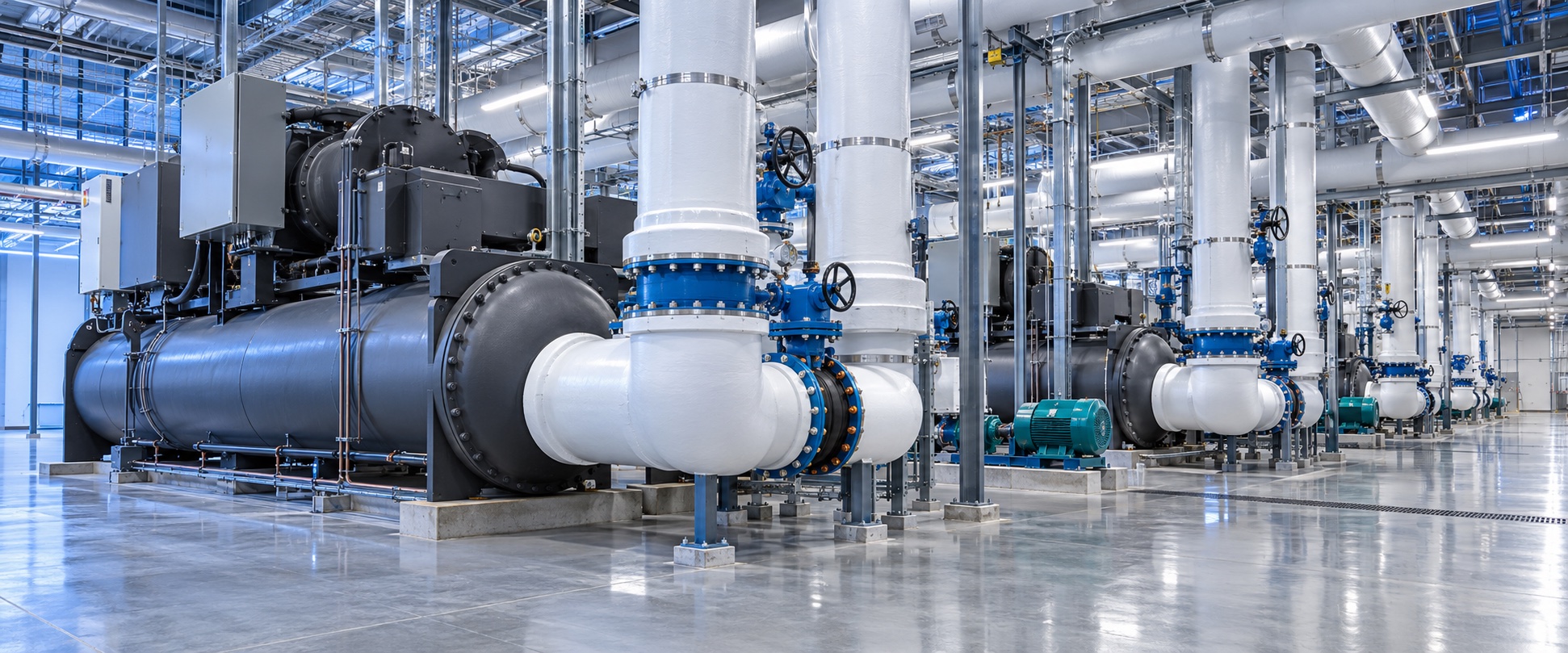
Illustrative chiller plant in a data center
02 / 05

Mechanical & Cooling

Heat removal and environmental control through air and liquid cooling paths.

Typical assets
Chillers · pumps · CRAH units · CDUs · heat rejection plant
Operational focus
Temperature, flow, leak response and cooling capacity.
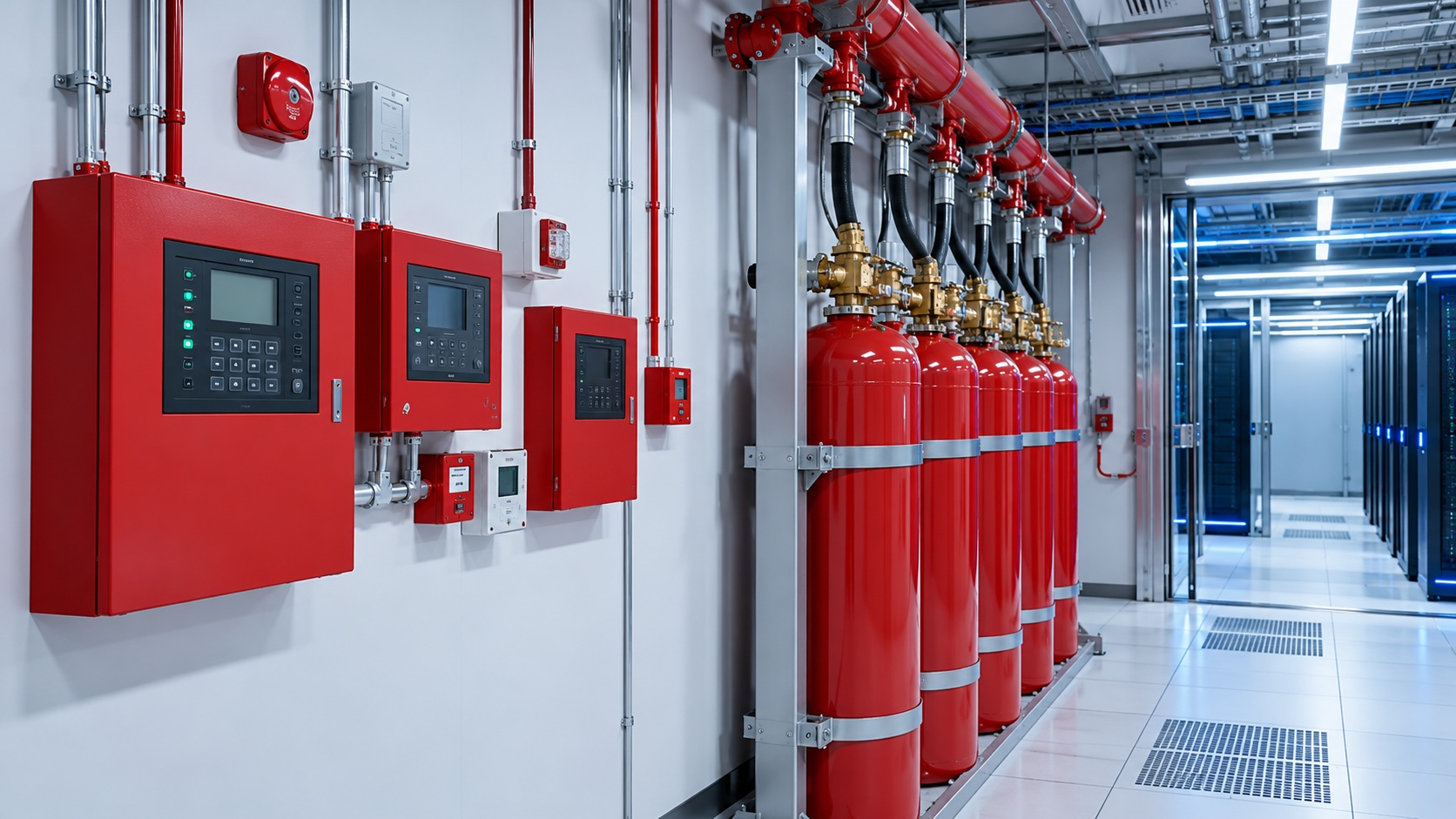
Illustrative fire protection equipment
03 / 05

Fire Protection

Coordinated detection, alarm and suppression response.

Typical assets
Detection devices · alarm panels · suppression systems
Operational focus
Test records, zoning, interfaces and response procedures.
Illustrative monitoring control room
04 / 05

ELV & Monitoring

System data and communications translated into operational visibility.

Typical assets
BMS · EPMS · DCIM · communications infrastructure
Operational focus
Alarm quality, trend review, data integrity and escalation.
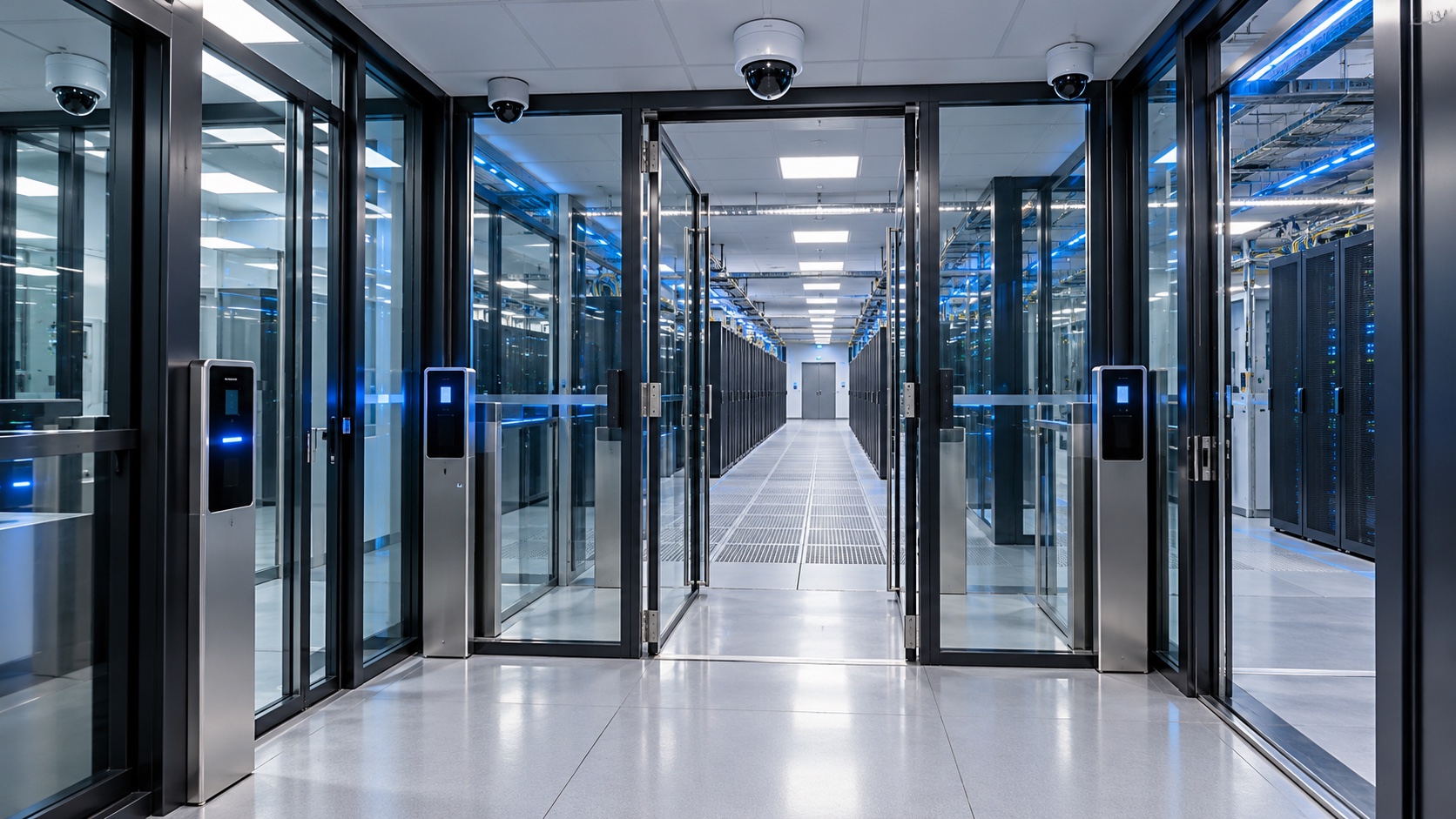
Illustrative secure entry into a data center
05 / 05

Physical Security

Layered controls protecting access to critical spaces.

Typical assets
Access control · CCTV · intrusion detection
Operational focus
Permissions, audit logs, camera coverage and event response.
CONCEPTUAL COOLING PATH

From chiller plant to IT data hall.

Air and liquid cooling paths depend on site configuration.

Conceptual system relationship; actual designs and redundancy vary by facility.

Illustrative chiller plant equipment
INFRASTRUCTURE INITIALIZATION

The details that make assets operable.

Equipment setup, asset information, routing and tools create an operational baseline.

  1. 01
    Equipment initialization

    Confirm baseline configuration and operating status.

  2. 02
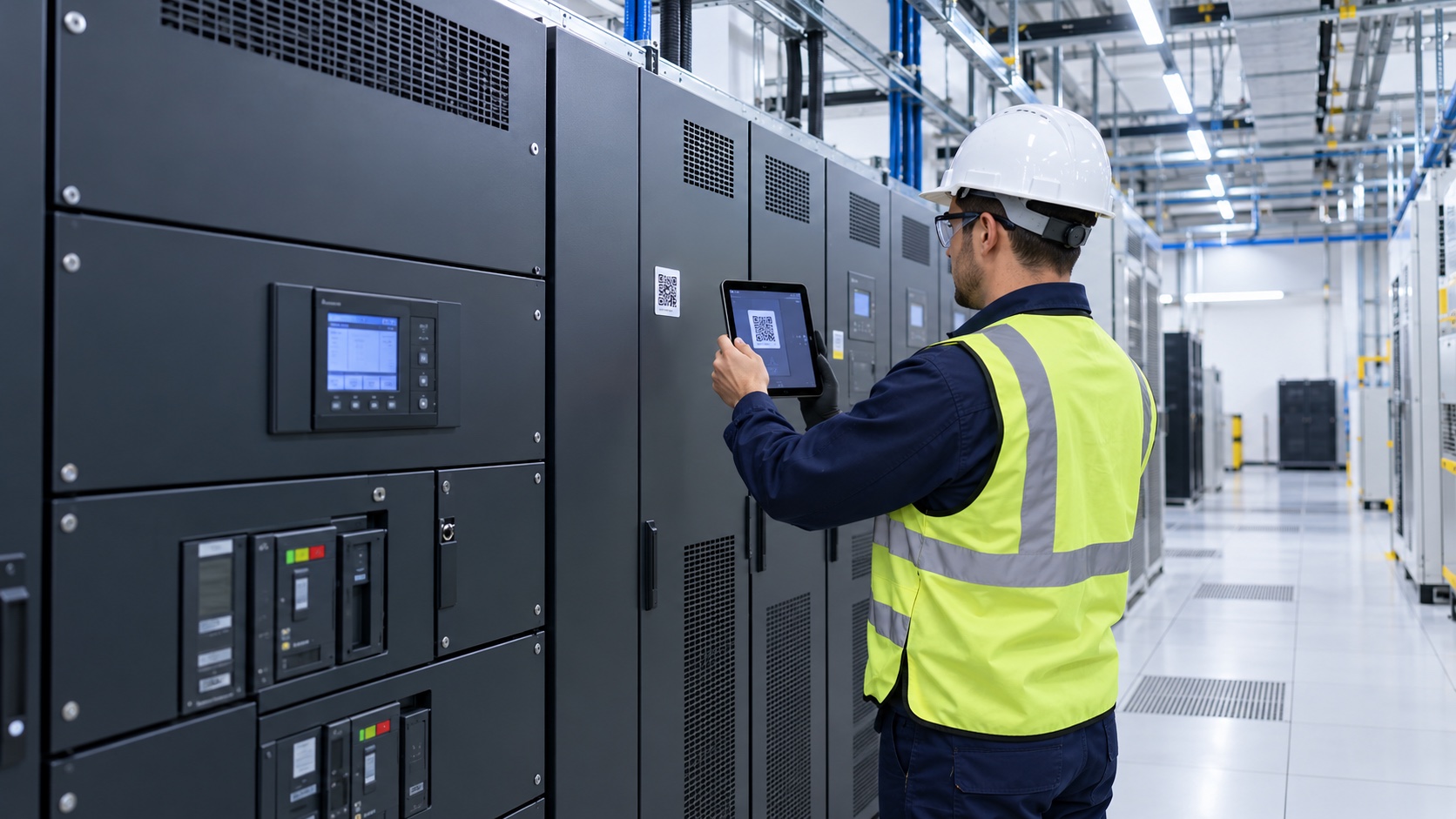
    Asset inventory

    Record identity, location and technical attributes.

  3. 03
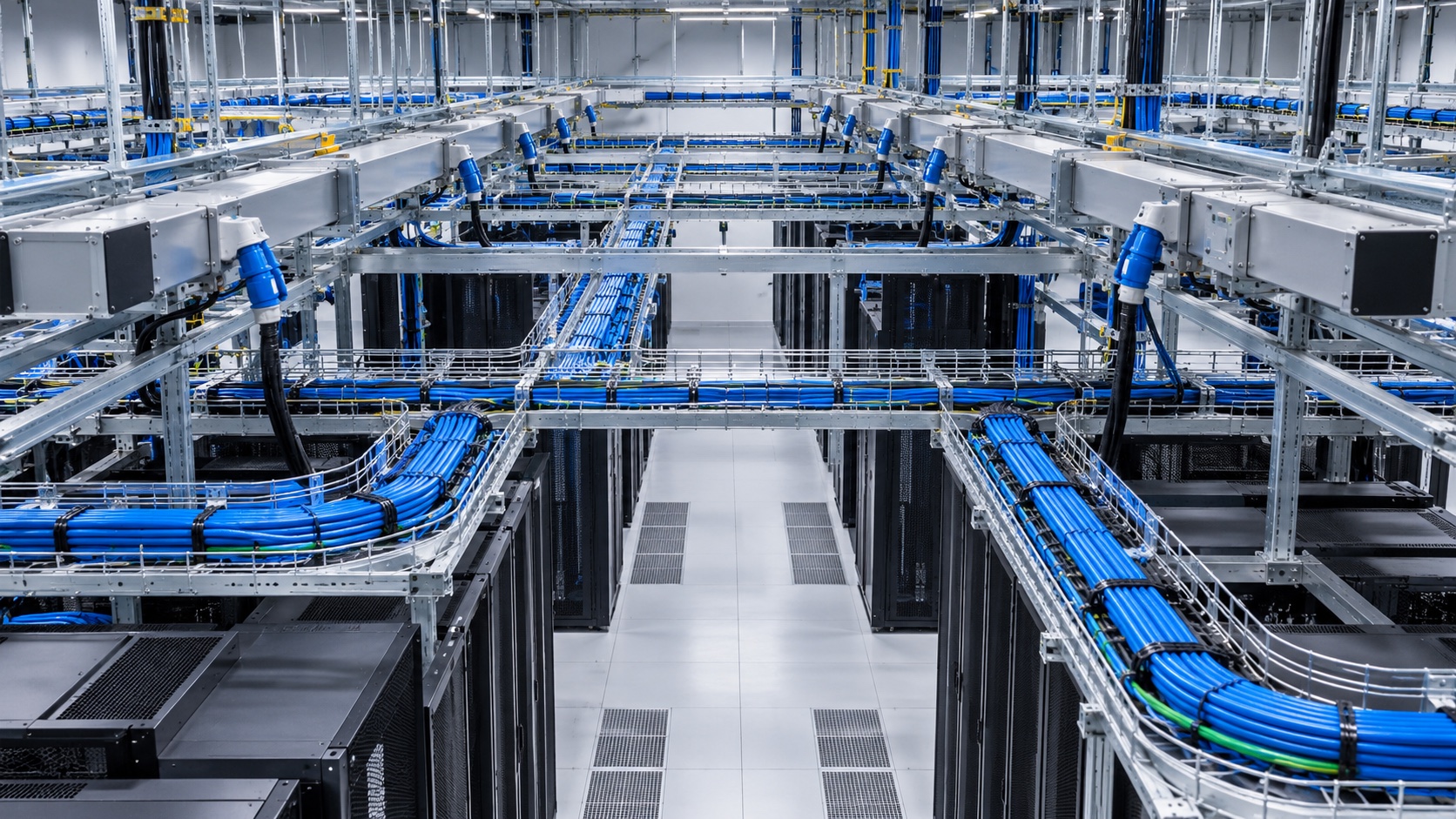
    Power route mapping

    Trace source, distribution path and served load.

  4. 04
    Tags & labels

    Apply consistent equipment and circuit naming.

  5. 05
    O&M tools

    Provide and control tools for routine work.

Illustrative asset registration at an equipment cabinet
Illustrative power route distribution
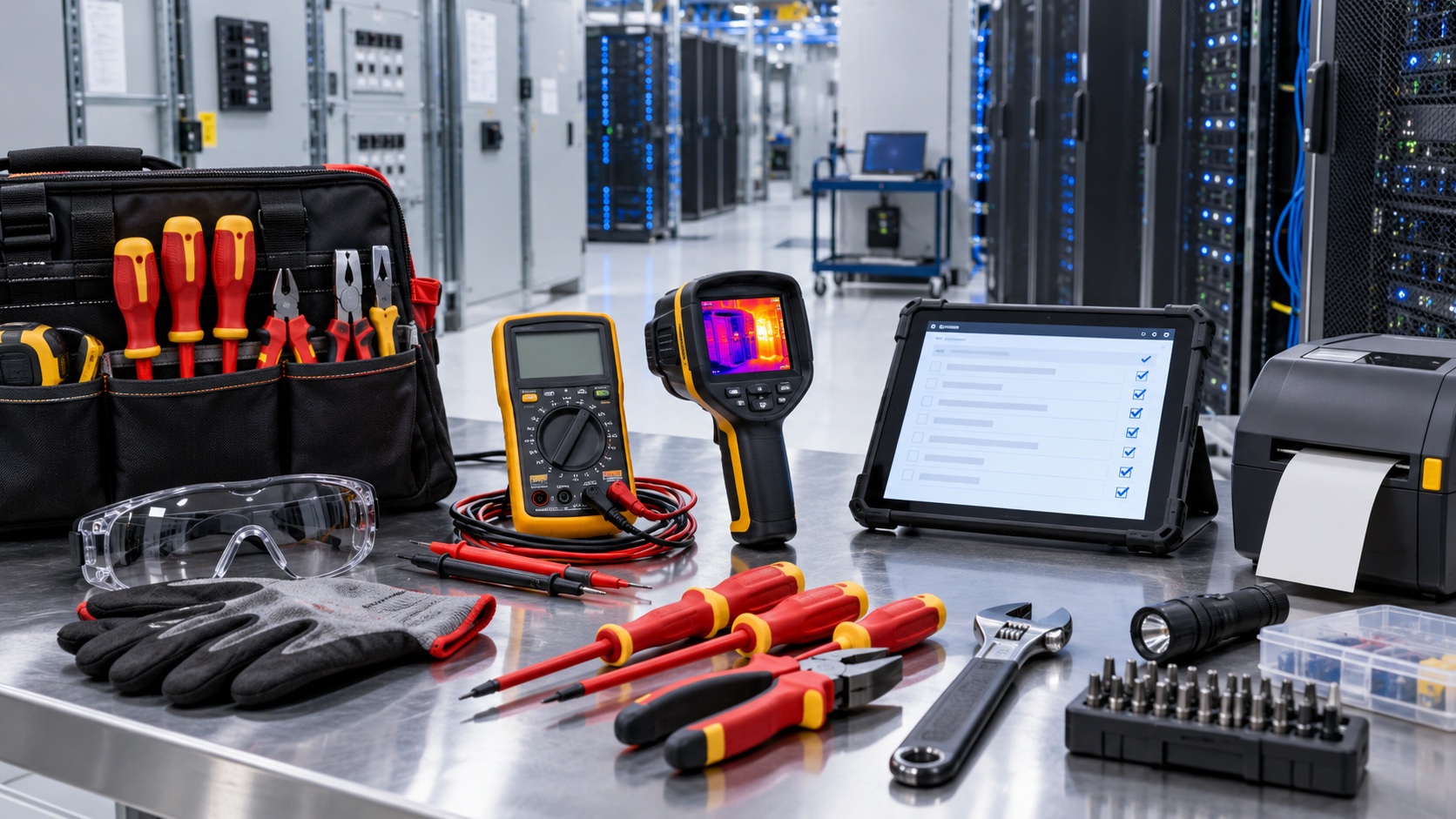
Illustrative maintenance tools
LET'S CONNECT

Need a clearer operational baseline?

Let us discuss your assets, system interfaces and readiness requirements.

Discuss your facility